
Root Canal Retreatment
Root canal retreatment is a therapeutic option that aims at saving natural teeth. With proper care, most teeth that have undergone endodontic treatment — a root canal — can last as long as other natural teeth. In some cases, however, an endodontically treated tooth may fail to heal.
Occasionally, the tooth becomes painful or diseased months or even years after successful treatment. If your tooth has failed to heal or has developed new problems, you have a second chance. Root canal retreatment may be able to create a more favorable environment for healing, allowing you to save your tooth.
Occasionally, the tooth becomes painful or diseased months or even years after successful treatment. If your tooth has failed to heal or has developed new problems, you have a second chance. Root canal retreatment may be able to create a more favorable environment for healing, allowing you to save your tooth.
Why Do I Need Root Canal Retreatment?
As may occasionally happen with any dental or medical procedure, a tooth may not heal as expected after initial treatment for a variety of reasons. According to the American Association of Endodontists, the most common causes are:
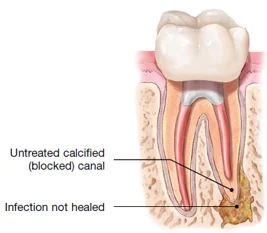
- Narrow or curved canals were not treated during the initial procedure.
- Complicated canal anatomy went undetected in the first procedure.
- Placement of the crown or other restoration was delayed following the endodontic treatment.
- The restoration did not prevent salivary contamination to the inside of the tooth.
Human saliva is full of bacteria that can cause disease if they find their way into the root canal system.
New Problems Can Also Jeopardize a Treated Tooth
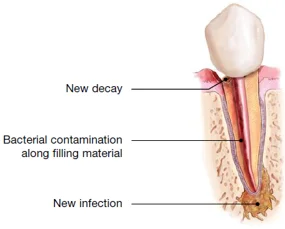
- New decay can expose the root canal filling material to bacteria, causing a new infection in the tooth.
- A loose, cracked, or broken crown or filling can expose the tooth to new infection.
- The tooth sustains a fracture.
What Happens During Root Canal Retreatment?
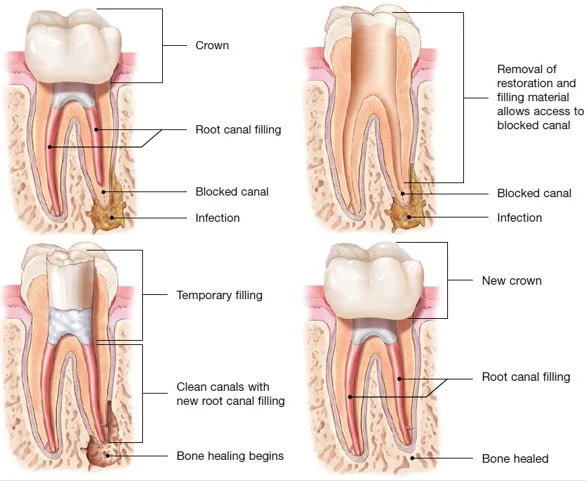
First, the endodontist will discuss your treatment options. If you and your endodontist choose retreatment, the endodontist will reopen your tooth to gain access to the root canal filling material.
In many cases, complex restorative materials — crown, post, and core material — must be disassembled and removed to permit access to the root canals.
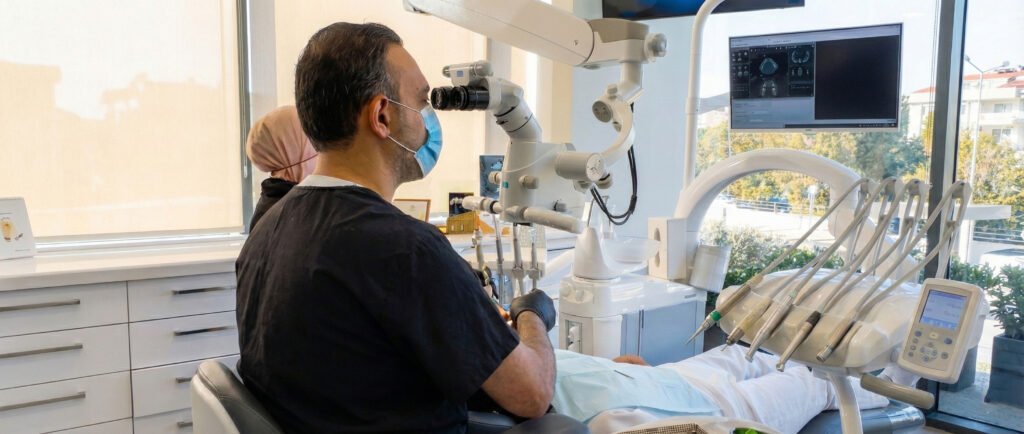
After removing the canal filling, the endodontist will clean the canals and carefully examine the inside of your tooth using magnification and illumination, searching for any additional canals, hidden fractures, or unusual anatomy that requires treatment.
After cleaning the canals, the endodontist will fill and seal the canals and place a temporary filling in the tooth. If the canals are unusually narrow or blocked, your endodontist may recommend endodontic surgery. This surgery involves making an incision to allow the tip of the root to be sealed.
Important: After your endodontist completes the retreatment, you will need to return to your dentist as soon as possible to have a new crown or other restoration placed on the tooth to protect it and restore it to full function.
Is Root Canal Retreatment the Best Choice for Me?
Nothing looks, feels, or functions like your natural teeth. Whenever possible, it is best to save your natural teeth. Retreated teeth can function well for years, even for a lifetime.
Advancements are constantly changing the way root canal treatment is performed, so your endodontist may use modern technologies and techniques that were not available when you had your first procedure. Your endodontist may be able to resolve your problem with retreatment.
Ultimately, your treatment decision should be based on a plan that you and your dental team have determined to be best for your overall health.
How Much Does Root Canal Retreatment Cost?
The cost varies depending on the complexity of the procedure. You can generally expect root canal retreatment to cost more than the initial endodontic treatment, because your restoration and filling material may need to be removed to accomplish the new procedure. In addition, your endodontist may need to spend extra time searching for unusual canal anatomy.
Alternatives to Root Canal Retreatment
If retreatment is not an option, endodontic surgery should be considered to save the natural tooth. This surgery involves making an incision to allow access to the tip of the root.
Endodontic surgery may also be recommended in conjunction with retreatment or as an alternative. Your endodontist will discuss your options and recommend appropriate treatment. A tooth that has sustained a fracture may need different care — learn more in our guide to cracked tooth treatment.
👨⚕️ Meet Your Expert Trusted care from a certified specialist.