
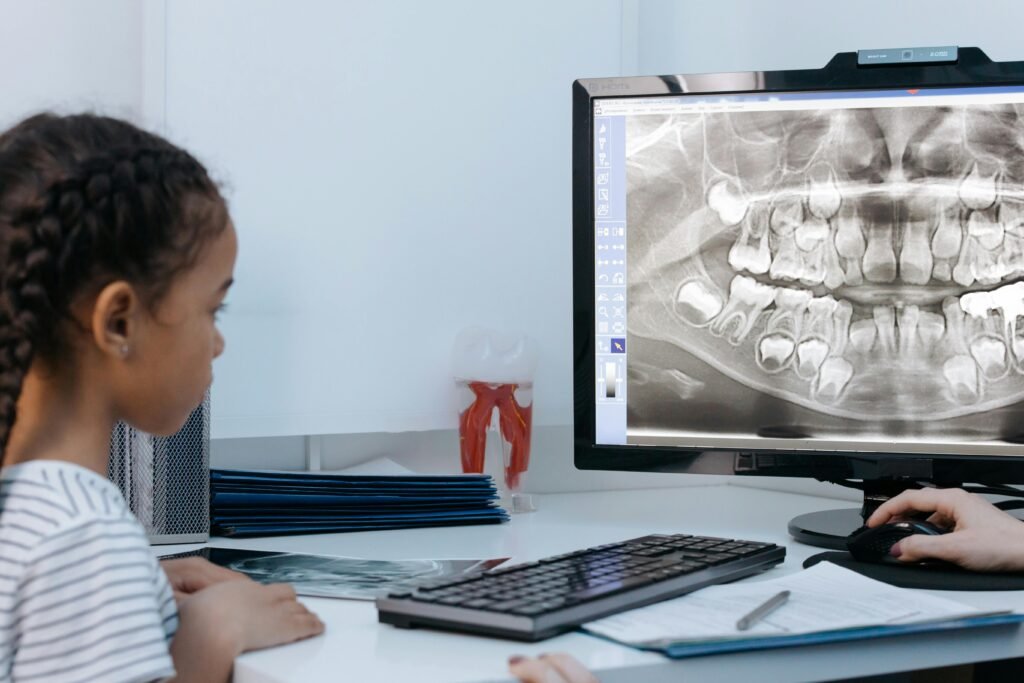
Dental X-rays play a critical role in modern dentistry, serving as an invaluable diagnostic tool that allows dentists to detect cavities, monitor growth, and identify issues that may not be visible during a routine examination. Many patients, particularly children and pregnant women, often express concerns regarding the potential risks associated with radiation exposure. This article aims to explore the safety measures, precautions, and overall benefits of dental X-rays for these vulnerable populations, emphasizing the importance of understanding dental X-rays safety and ensuring dental X-rays safety.
Understanding Dental X-Rays
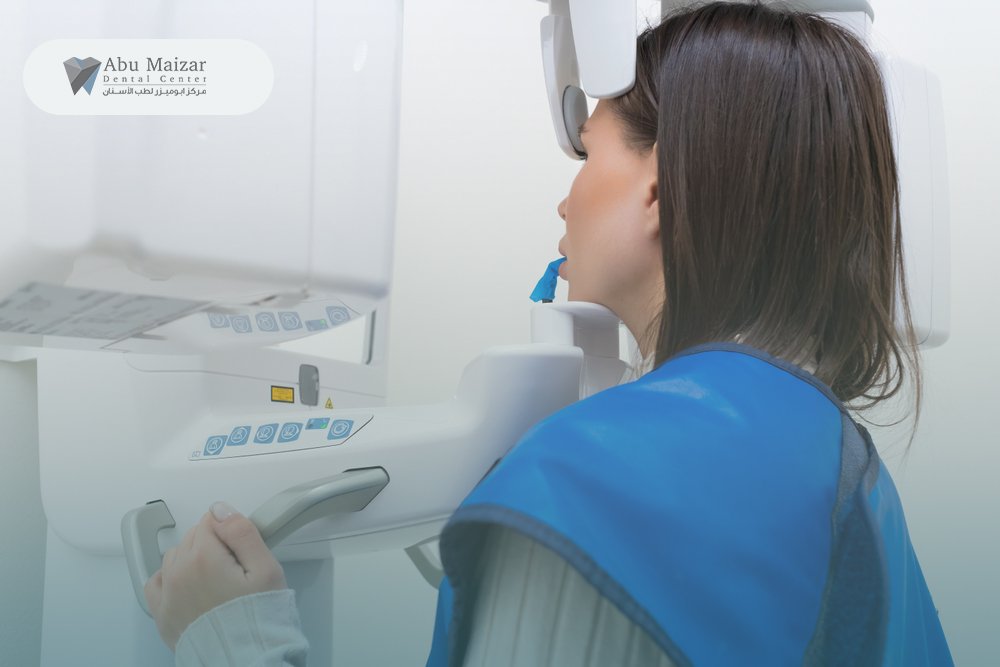
Dental X-rays use low levels of radiation to capture images of your teeth, bones, and surrounding tissues. They are crucial for:
Dental X-rays utilize low levels of radiation to create detailed images of your teeth, bones, and surrounding tissues. This technology is crucial for several reasons: it enables early detection of conditions that could lead to serious dental issues if left untreated, supports the planning of necessary dental treatments, and assists in monitoring the effectiveness of ongoing treatment plans. The information obtained from dental X-rays can be vital in maintaining optimal oral health, especially for children whose dental structures are still developing.
Understanding dental X-rays safety is vital for ensuring that patients make informed decisions about their dental care.
- Detecting cavities between teeth
- Monitoring tooth and jaw development in children
- Checking for infections, cysts, or impacted teeth
- Planning dental treatments like braces or implants
Are Dental X-Rays Safe for Children?
Yes! Dental X-rays are generally safe for children, but precautions are always taken. Children may require X-rays more often than adults because:
- Their teeth and jaws are still developing
- They are more prone to cavities
Safety Measures for Children:
The Importance of Regular Dental Check-ups
Regular dental check-ups are critical for both children and pregnant patients. These visits allow dentists to monitor the health of the teeth and gums, provide professional cleanings, and determine the need for X-rays based on individual circumstances. For children, early and consistent dental visits can help establish a foundation for lifelong oral health. For pregnant women, maintaining dental health is crucial as it can affect both the mother and child during and after pregnancy.
| Measure | Purpose |
|---|---|
| Lead Apron & Thyroid Collar | Protects the body from unnecessary radiation exposure |
| Digital X-Rays | Emit up to 90% less radiation than traditional film X-rays |
| Selective Frequency | X-rays are only taken when necessary, based on dental health and risk factors |
Pro Tip: Ask your pediatric dentist about digital X-rays and whether a bitewing or panoramic X-ray is most appropriate.
Are Dental X-Rays Safe During Pregnancy?
Dental X-rays are generally avoided during pregnancy, especially in the first trimester, unless they are medically necessary. The radiation dose from dental X-rays is very low, and protective measures further reduce risk.
Safety Guidelines for Pregnant Patients:
| Factor | Recommendation |
|---|---|
| Lead Apron Use | Always used to shield the abdomen and chest |
| Timing | If possible, postpone non-emergency X-rays until after pregnancy |
| Emergency Situations | Dental infection or trauma may require immediate imaging |
Important: Untreated dental infections can pose more risk to the mother and baby than the minimal radiation from dental X-rays.
Tips to Minimize Radiation Exposure
Whether for children or pregnant patients, you can follow these tips to reduce exposure:
- Request digital X-rays – they emit far less radiation.
- Use protective gear – lead aprons and thyroid collars are standard.
- Limit X-rays to necessity – your dentist should only recommend X-rays when clinically required.
- Maintain regular dental care – preventive visits reduce the need for frequent imaging.
Quick Comparison: Children vs Pregnant Patients
| Aspect | Children | Pregnant Patients |
|---|---|---|
| X-Ray Necessity | Sometimes more frequent | Only if urgent or medically necessary |
| Protective Measures | Lead apron & thyroid collar | Lead apron, careful positioning |
| Timing | During routine dental check-ups | Preferably postponed if not urgent |
| Type of X-Ray | Bitewing, panoramic | Usually panoramic or emergency digital only |
| Radiation Risk | Very low | Very low with proper precautions |
Additionally, it’s important to consider alternative diagnostic methods. While X-rays are invaluable, advancements in dental technology are providing more options for diagnosis that may reduce the need for radiation exposure. Techniques such as 3D imaging and intraoral cameras can assist in visualizing dental issues without the need for traditional X-rays, offering patients peace of mind.
Conclusion
In conclusion, dental X-rays are safe for both children and pregnant patients when proper precautions are meticulously observed. They provide essential information that aids dentists in preventing and treating dental problems early, ultimately protecting oral health for years to come. With advancements in technology and a focus on patient safety, the practice of dentistry continues to evolve, ensuring that patient health and well-being remain the top priority.
Dental X-rays are safe for both children and pregnant patients when proper precautions are taken. They provide essential information that helps dentists prevent and treat dental problems early, protecting oral health for years to come.
Take Action:
Talk to your dentist about your concerns, and ask about digital X-rays and protective measures. Your safety and your child’s health are always a top priority.
Patient-Centric Approaches in Dentistry
Modern dentistry is increasingly adopting patient-centric approaches, where the comfort, health, and concerns of patients are prioritized. Dental professionals are trained to communicate effectively about the risks and benefits of X-rays, helping patients feel informed and empowered in their healthcare decisions. This approach not only builds trust between the patient and the dentist but also encourages proactive engagement in dental health management, particularly for sensitive groups like children and pregnant patients.
Take Action:
Engage in a discussion with your dentist regarding any concerns you may have, and inquire about the use of digital X-rays and protective measures. Remember, your safety and your child’s health are always a top priority. Understanding dental X-rays safety is integral to making informed choices about dental care.
👨⚕️ Meet Your Expert Trusted care from a certified specialist.