
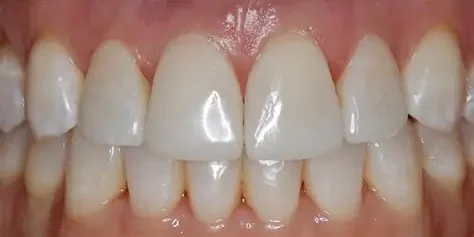
Dental Fillings
Dental fillings restore a tooth’s structure and function after decay, fracture, or wear. At AbuMaizar Dental Center in Amman, we provide evidence-based, patient-focused restorations using advanced materials and techniques. Fillings repair teeth, protect the pulp, and prevent infection—often stopping a small problem before it becomes a root canal treatment or tooth extraction.
Understanding Tooth Structure
To understand how dental fillings work, it helps to know the three main layers of a tooth:
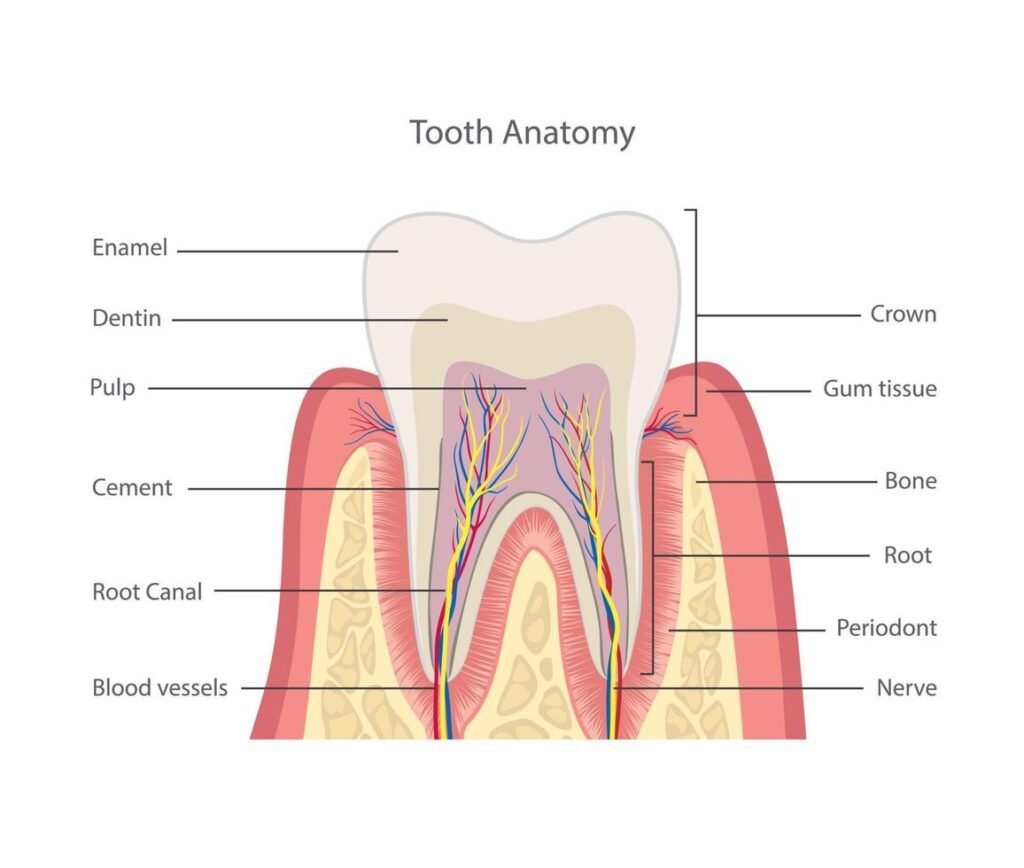
- Enamel: The hard outer layer that protects the tooth from wear, acids, and bacteria.
- Dentin: The softer layer beneath the enamel containing microscopic tubules connected to the pulp.
- Pulp: The soft inner tissue containing nerves, blood vessels, and connective tissue.
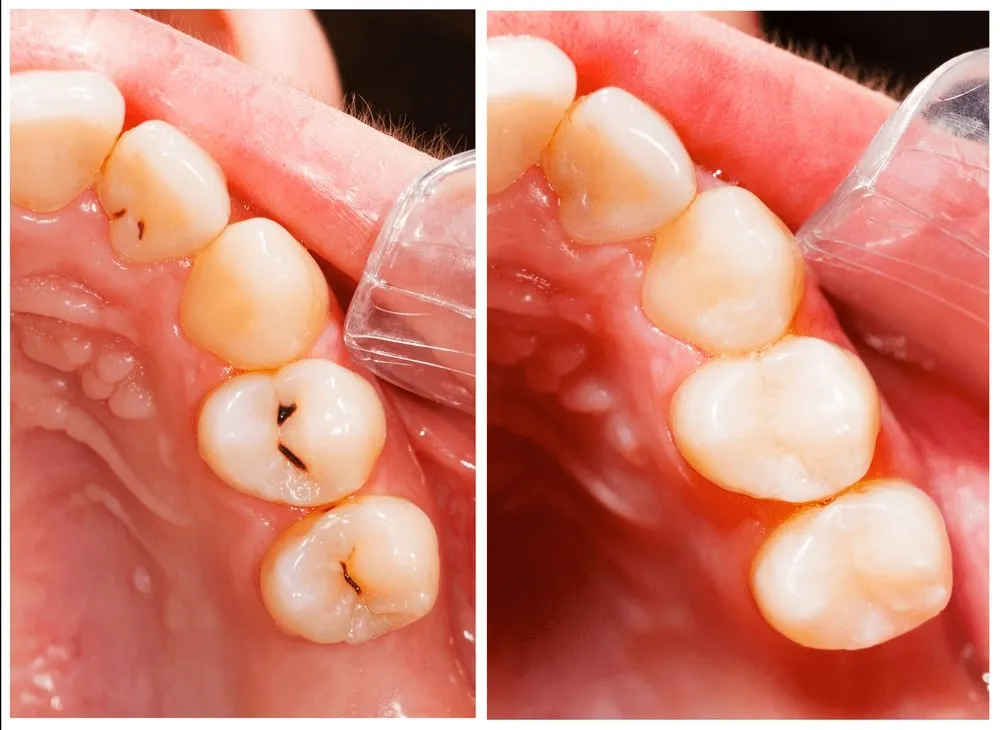
When tooth decay penetrates the enamel into the dentin, or when trauma exposes the dentin or pulp, a dental filling becomes essential to restore the tooth’s strength, preserve its function, and help prevent infection.
Why You Might Need Dental Fillings
- To treat tooth decay (dental caries) affecting the enamel or dentin.
- To repair small or large tooth fractures.
- To replace old fillings that have cracked, worn out, or failed.
- To improve the appearance of teeth through cosmetic reshaping.
- To restore minor defects or correct tooth discoloration.
6 Types of Dental Fillings Compared
Choosing between the types of dental fillings depends on the tooth’s location, bite forces, aesthetics, and budget. According to the American Dental Association, no single material is right for every case—the best choice balances durability with appearance.
| Filling Type | Material | Advantages | Disadvantages | Average Lifespan | Best For |
|---|---|---|---|---|---|
| Composite (Tooth-Colored) | Resin-based (plastic + glass) | Aesthetic, bonds to tooth, preserves structure | Less durable under heavy chewing, may stain over time | 5–15 years | Front and back teeth, visible areas |
| Amalgam (Silver) | Mercury alloy with silver, tin, copper | Durable, cost-effective, strong | Silver color, mercury content concern (safe in adults) | 10–15 years | Posterior teeth under high bite forces |
| Glass Ionomer | Acrylic + glass powder | Releases fluoride, bonds chemically to enamel & dentin | Less durable than composites, prone to wear | 3–7 years | Children, primary teeth, cervical lesions, small cavities |
| Ceramic (Porcelain/Inlay-Onlay) | Lab-fabricated porcelain | Highly aesthetic, stain-resistant, biocompatible | Requires two visits, higher cost | 10–15 years | Cosmetic restorations, inlays/onlays |
| Gold | Gold alloy | Extremely durable, biocompatible, precise fit | Expensive, metallic color | 15–30 years | Inlays/onlays, high-strength posterior restorations |
| Resin Ionomer (Hybrid) | Resin + glass ionomer | Fluoride release, chemical bonding, minimal shrinkage | Less aesthetic than composite | 5–7 years | Pediatric dentistry, small restorations, temporary repair |
Dental Fillings Procedure: Step by Step
- Diagnosis: Visual inspection and X-rays to assess cavity depth and pulp proximity.
- Anesthesia: Local anesthetic numbs the tooth; sedation is available for anxious patients.
- Decay Removal: Using a dental drill or laser, decayed tissue is removed precisely.
- Tooth Preparation: Shaping, cleaning, and disinfecting the cavity; a bonding agent is applied for composite fillings.
- Filling Placement: Layered and light-cured for composites; packed and shaped for amalgam; lab-fabricated ceramic or gold restorations are cemented in place.
- Finishing & Polishing: The bite is adjusted and the surface polished to help prevent plaque accumulation.
Most dental fillings are completed in a single visit of 30–60 minutes. Ceramic inlays and onlays usually require two visits because they are fabricated in a dental laboratory for a precise fit.
Benefits of Dental Fillings
- Restores tooth structure and strength
- Prevents pulp infection and further decay
- Improves aesthetics and confidence
- Preserves natural teeth
- Protects long-term oral health and bite function
Aftercare for Dental Fillings
- Avoid chewing hard foods for 24–48 hours after new fillings.
- Brush and floss carefully around filled teeth.
- Use fluoride toothpaste to help extend the life of your fillings.
- Mild sensitivity may last for 1–2 weeks—this is usually normal.
- Schedule regular dental checkups so your restorations can be monitored.
Potential Complications
- Mild sensitivity or discomfort (usually temporary)
- Filling fracture or wear over time
- Marginal leakage (rare)
- Allergic reactions (extremely rare)
Dental Fillings FAQ
Are fillings painful?
Modern local anesthesia makes dental fillings virtually painless. Mild sensitivity may occur for a few days after treatment.
How long do dental fillings last?
Most fillings last between 5 and 15 years. Gold and ceramic restorations can often last 20 years or more with good oral hygiene and regular dental checkups.
Can fillings fail?
Yes. Fillings can fail due to wear, secondary decay, fracture, or bite issues. Routine dental examinations help identify problems early, when repairs are usually simple.
Which filling is best?
Composite fillings are ideal for visible teeth, amalgam is well suited for molars exposed to heavy chewing forces, glass ionomer is commonly used for children, and ceramic or gold restorations offer excellent long-term durability for posterior teeth. During your consultation, we will recommend the most suitable material based on your individual needs.
Deep decay that reaches the pulp may require root canal treatment before the tooth can be restored. Read our guide on cracked teeth and endodontic care, or contact us to book your visit.
👨⚕️ Meet Your Expert Trusted care from a certified specialist.