
Why You Shouldn’t Ignore Your Tooth’s Warning Signs
A deep, persistent toothache can disrupt everything from your ability to enjoy a meal to a good night’s sleep. However, many patients assume that if there is no pain, there is no problem. Unfortunately, pain is not always a reliable indicator of dental health. Tooth infection without pain is more common than most people think and it can quietly damage your teeth, gums, and even jawbone without giving clear warning signs.
Whether you are dealing with a silent infection or active discomfort, early detection is critical. Here are the primary indicators that the inner pulp of your tooth is compromised:
- Severe Pain When Chewing or Biting: A sharp, intense toothache that flares up specifically when you apply pressure or bite down is one of the most distinct signs of an inflamed or infected tooth pulp.
- Prolonged Temperature Sensitivity: A deep, lingering pain in response to hot or cold drinks that persists for seconds or minutes indicates that the internal nerve is damaged and losing its ability to recover.
- Tooth Discoloration or Darkening: If a single tooth takes on a grey, brown, or blackish hue, it signals an internal change where blood pigments have seeped into the dentin because the pulp has died from trauma or infection.
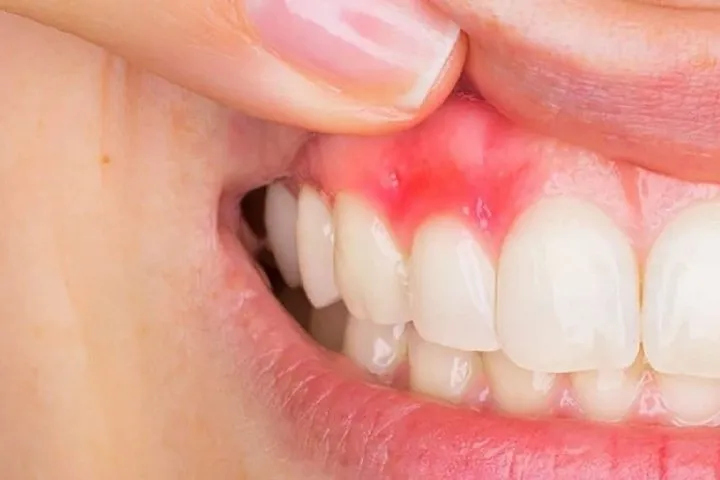
- Swelling and Tenderness: Noticeable puffiness or tenderness in the gums, cheek, or jaw area around a particular tooth is a critical sign that an infection has spread beyond the root tip into surrounding soft tissues.
- Recurring Gum Bumps (Dental Abscess): A small, pimple-like bump that repeatedly appears on your gums is an outlet created by your body to drain pus from a chronic, underlying root infection.
- Radiating or Referred Pain: An infected tooth pulp can send intense pain signals along complex facial nerve pathways, causing discomfort that travels to your jaw, ear, temples, or even your neck.
- Persistent Bad Taste or Odor: An unpleasant, metallic taste or foul odor coming from a specific area of your mouth—even with brushing and flossing often occurs when a necrotic (dead) tooth pulp releases bacterial by-products.
- Lingering Pain After Dental Work or Trauma: If a tooth remains sore or tender for weeks or months after a deep filling, crown placement, or sports injury, the initial trauma may have irreversibly damaged the inner nerve.
- A Chipped or Cracked Tooth: Physical damage from biting hard objects or an accident can fracture the outer enamel, creating a pathway for harmful bacteria to invade the deep pulp chamber and trigger infection.
- Spontaneous, Throbbing Pain That Wakes You Up: A constant, pulsing toothache that begins without any obvious trigger especially at night when lying flat increases blood pressure to the head is a classic symptom of severe endodontic distress.
Root Canal vs. Extraction: The Clear Choice
When the nerve of a tooth becomes irreversibly damaged or infected, you have two main options: root canal treatment or extraction. While an extraction might seem like a quick fix, saving your natural tooth should always be the priority.
| Feature | Root Canal Therapy | Tooth Extraction |
| Primary Benefit | Preserves the existing natural tooth and avoids extensive and costly restorative treatment. | Effectively eliminates pain and infection from the immediate site. |
| Bite & Function | Bite function stays normal and neighboring teeth stay protected. | Spaces left by extracted teeth can cause other teeth to shift, affecting your ability to properly chew. |
| Long-Term Costs | Often less expensive than opting for an extraction followed by a prosthetic device. | Requires additional visits and potentially other dental procedures (bone grafts, implants). |
Nothing looks, feels or functions like your natural tooth. By opting for a root canal, you maintain the structural integrity of your jaw and smile.
Modern Root Canal Treatment in 2026: Fast, Predictable, and Comfortable
If you are carrying outdated fears about root canals, modern endodontic therapy has undergone a remarkable transformation. Today, root canal treatments achieve success rates exceeding 95 percent.
Advanced clinical tools have replaced the guesswork of the past, ensuring that procedures are efficient and nearly pain-free:
- 3D CBCT Imaging: Sophisticated imaging technologies, like Cone Beam Computed Tomography (CBCT), provide a three-dimensional view of your tooth. This detailed imaging allows clinicians to identify complex root canal systems and pinpoint infections with incredible accuracy.
- High Long-Term Success: Research shows that 97 percent of teeth remain functional ten years after root canal treatment.
- Advanced Anesthesia: Modern anesthetics provide profound numbness during procedures, and post-operative discomfort typically resolves within days.
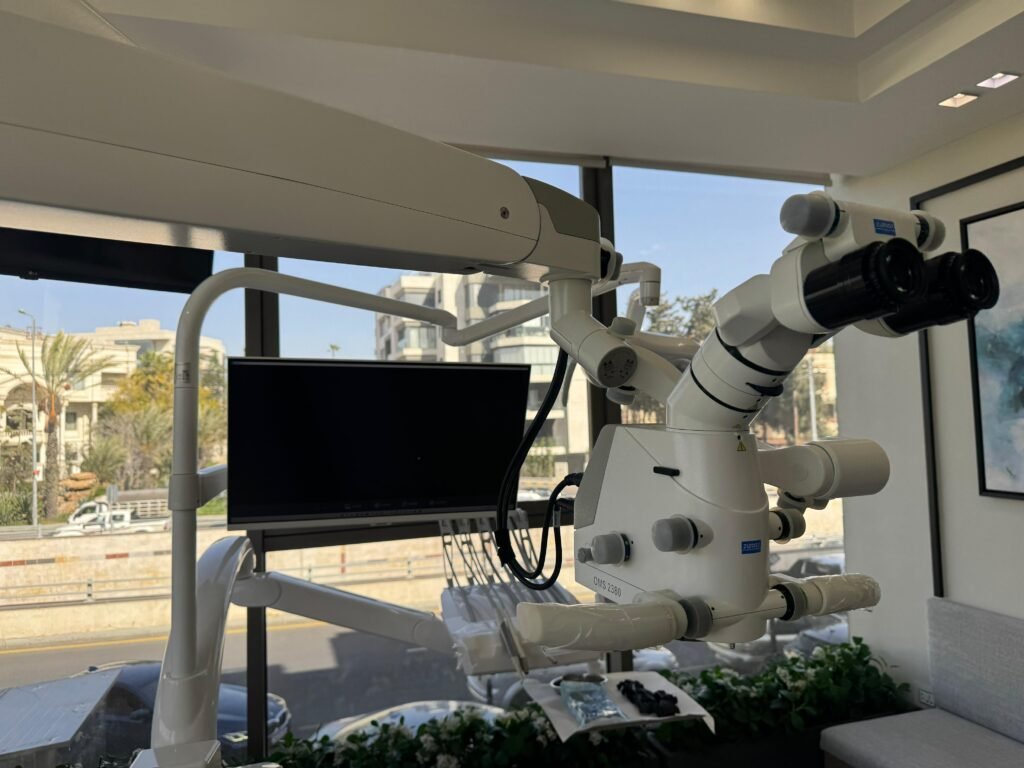
- Enhanced Precision with the Endodontic Microscope: The use of an endodontic microscope significantly enhances the quality of treatment by providing superior magnification and illumination. This allows clinicians to locate complex canal anatomy, detect microfractures, and perform procedures with greater precision and accuracy.
Expert Endodontic Care at AbuMaizar Dental Center
At AbuMaizar Dental Center, Dr. Hasan Abu Maizar and the clinical team are dedicated to preserving your natural teeth using the latest advancements in endodontic technology. Whether you are dealing with a complex infection or need a routine assessment to rule out hidden decay, our Amman clinic is equipped to provide precise, comfortable care that gets you back to living pain-free.
Don’t wait for a silent infection to become a dental emergency. Contact AbuMaizar Dental Center today to schedule your comprehensive endodontic evaluation.
👨⚕️ Meet Your Expert Trusted care from a certified specialist.